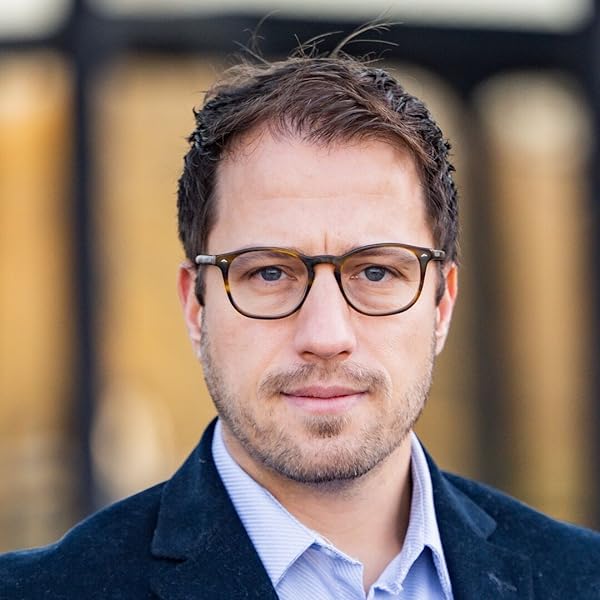
David Marcus
David Marcusis an American entrepreneur who has made a significant impact in the technology industry. He is widely known as the co-creator and a board member of Libra, a cryptocurrency project initiated by Facebook. Prior to his involvement in Libra, Marcus was the former president of PayPal and Vice President of Messaging Products at Facebook where he ran the Facebook Messenger unit from 2014 until 2018.
Marcus started his career in technology asa software engineer and entrepreneur. In 2008, he founded Zong, a mobile payments company that enabled consumers to purchase goods and services via their mobile phones. The company was later acquired by PayPal, where Marcus served as the president and was instrumental in expanding the company's mobile payments business.
In 2014, Marcus joined Facebook as Vice President of Messaging Products and took over the Messenger unit, where he was responsible for the growth andexpansion of the messaging platform. During his tenure, Marcus oversaw the development of Messenger's mobile payments feature and its integration with businesses. He also played a key role in the acquisition of WhatsApp, another messaging platform, by Facebook.
In 2019, Marcus left his position at Messenger to lead the development of Libra, a cryptocurrency project initiated by Facebook. Libra aims to create a global digital currency that can be used for peer-to-peer transactions and cross-border payments, with the potential to reach the 1.7 billion people around the world who do not have access totraditional banking services.
The Libra project faced significant regulatoryhurdles and pushback from policymakers, with concerns over privacy, security, and financial stability. In response to these concerns, Marcus testified before the United States Congress in July 2019, stating that Libra would not be launched until all regulatory concerns were addressed. The project was later scaled back and rebranded as Diem in 2020.
Despite the challenges, Marcus remains optimistic about the potential of cryptocurrencies torevolutionize the financial industry. He believes that cryptocurrencies have the potential to provide financial services to billions of people around the world who are currently excluded from traditional banking systems.